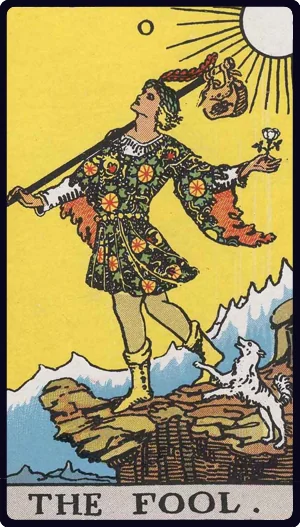
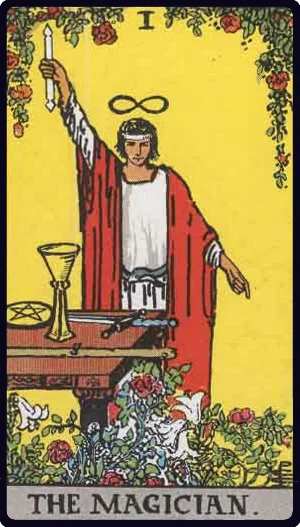
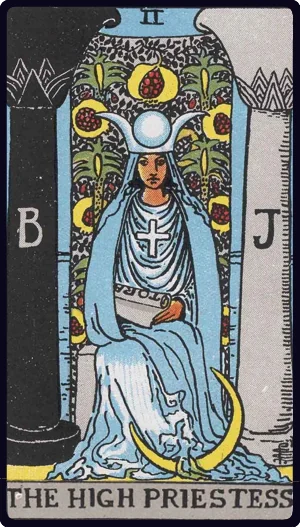
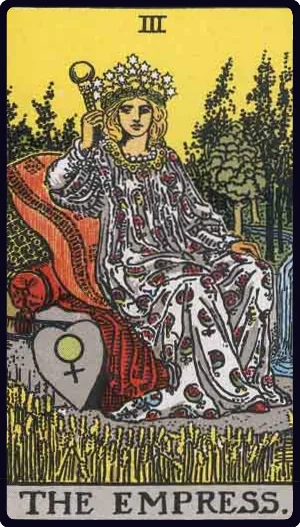
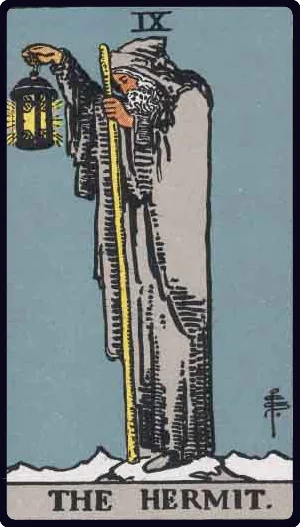
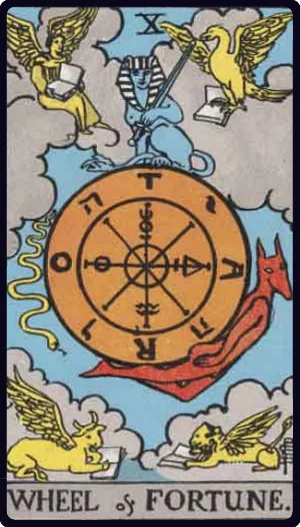
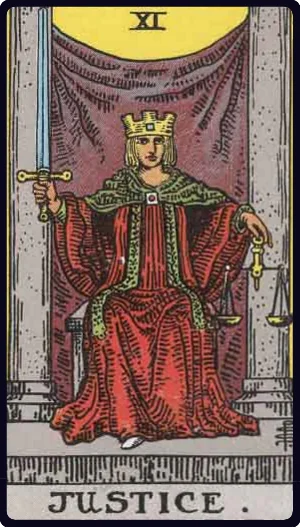
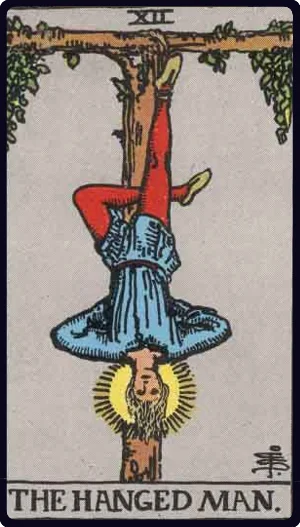
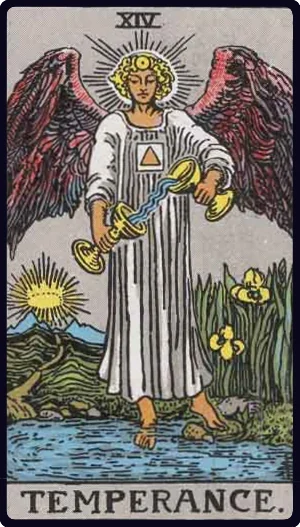
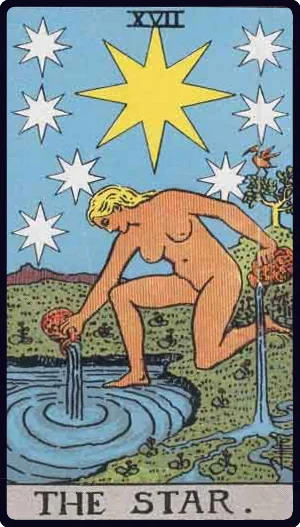
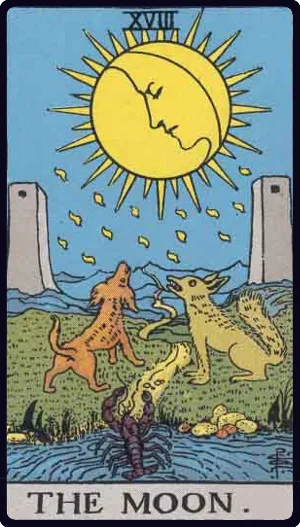
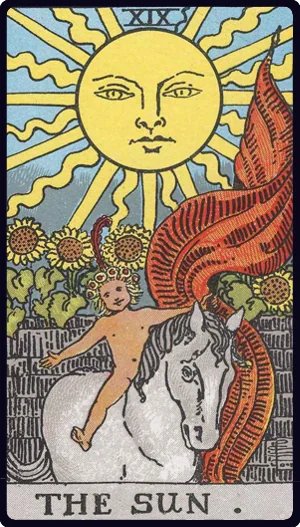
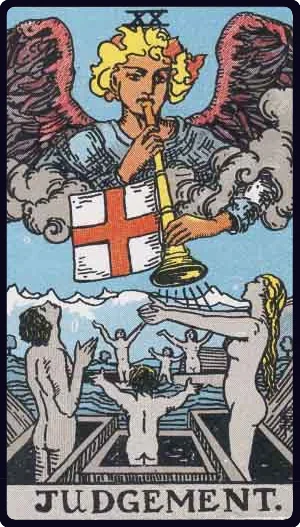
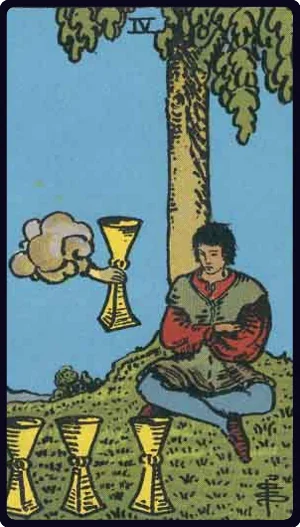
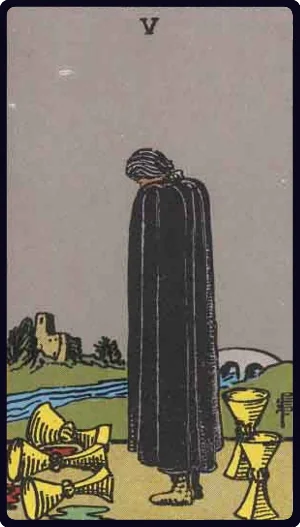
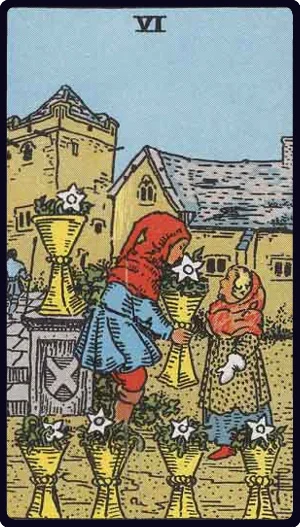
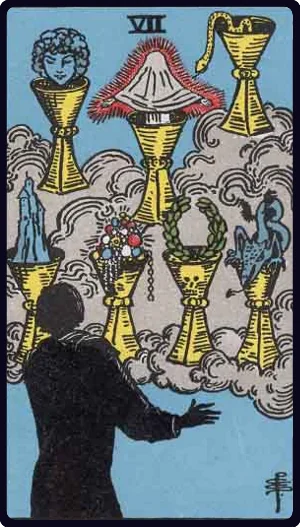
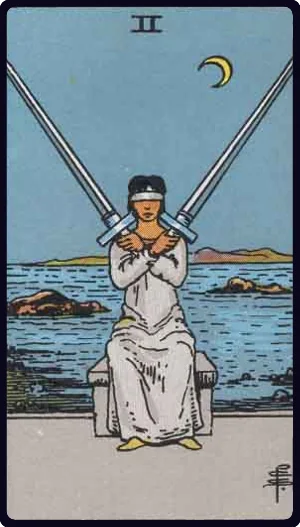
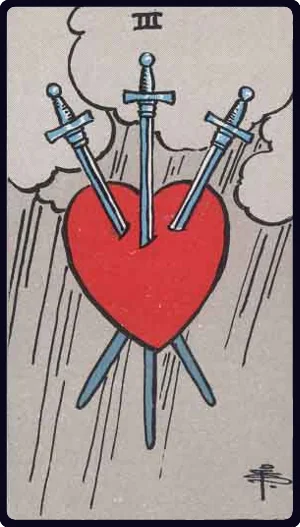
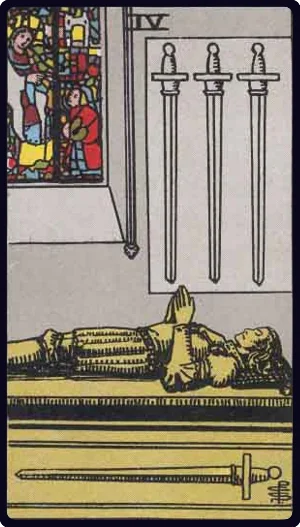
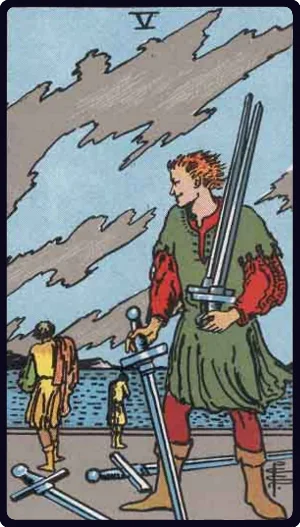
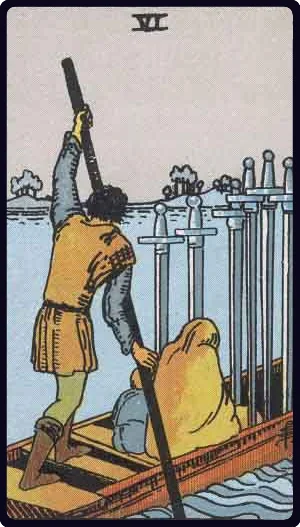
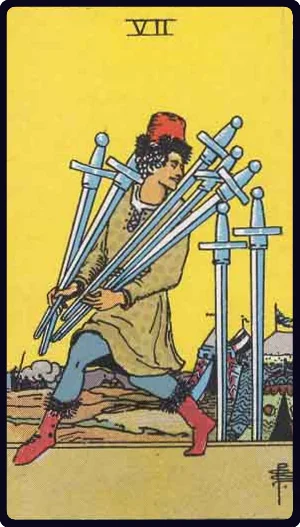
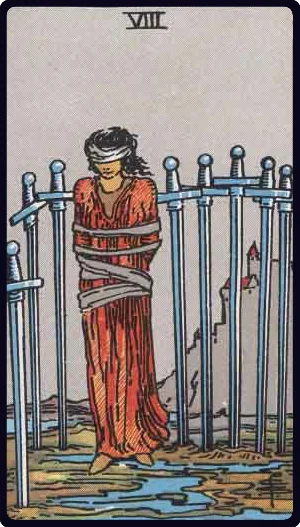
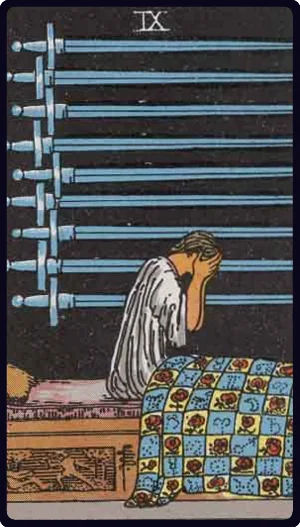
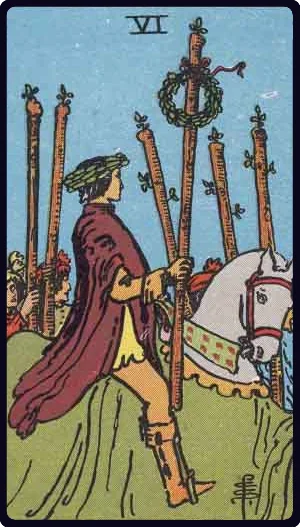
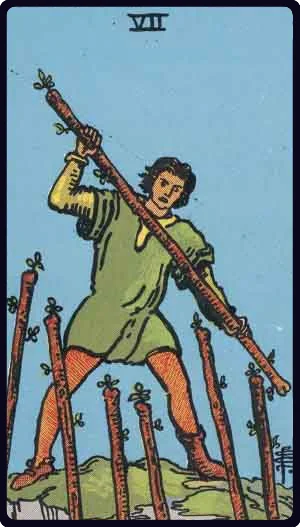
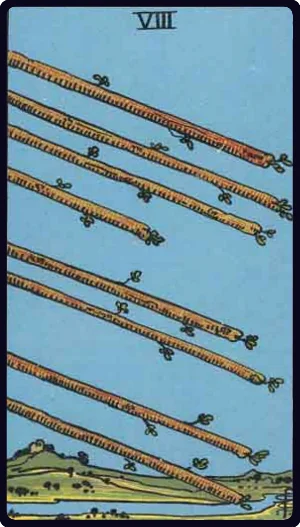
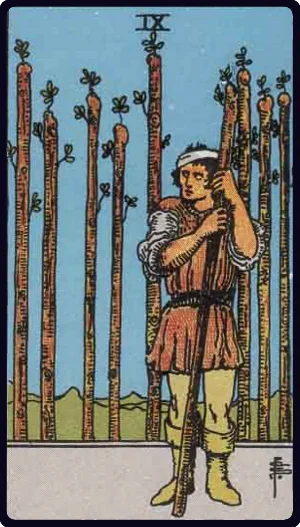
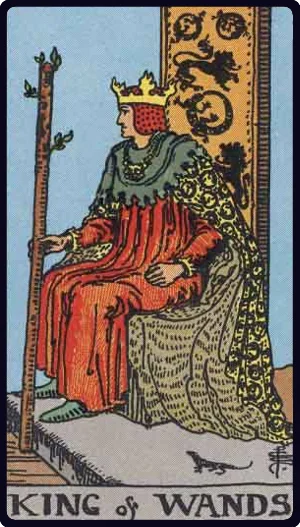
A standard tarot deck contains 78 cards: 22 Major Arcana covering life's major lessons and 56 Minor Arcana covering daily life. Every card below includes its upright and reversed meaning, keywords, and interpretations.
22 Major Arcana·56 Minor Arcana·78 Total Cards
Free searchable reference for all 78 tarot card meanings in the Rider-Waite-Smith deck: 22 Major Arcana and 56 Minor Arcana across four suits (Cups, Wands, Swords, Pentacles). Each card includes upright and reversed keywords, love and career interpretations, and yes/no guidance. No signup required.
A standard tarot deck contains 78 cards: 22 Major Arcana cards and 56 Minor Arcana cards. The Minor Arcana is divided into four suits (Cups, Wands, Swords, Pentacles), each containing 14 cards (Ace through 10, plus four court cards).
What is the difference between Major and Minor Arcana?
Major Arcana cards (0-21) represent significant life events, spiritual lessons, and major influences. Minor Arcana cards represent day-to-day events, challenges, and influences. Major Arcana cards typically have more weight in readings.
What do reversed tarot cards mean?
Reversed tarot cards appear upside down in a reading. They can indicate blocked energy, internalized lessons, delays, or the opposite meaning of the upright card. Some readers see reversals as weakened energy or a need to pay attention to the shadow aspects of the card.
How do I learn tarot card meanings?
Start with the Major Arcana, learning one card at a time. Study the imagery, keywords, and traditional meanings. Practice daily single-card draws and journal your interpretations. Over time, you'll develop intuitive associations with each card beyond the traditional meanings.
Do I have to memorize all 78 card meanings?
While memorizing helps, it's not required. Understanding the patterns (suits, numbers, archetypes) is more important. Many readers use guidebooks or references. With practice, you'll naturally remember cards you work with frequently and develop your own intuitive interpretations.
What are the most popular tarot cards?
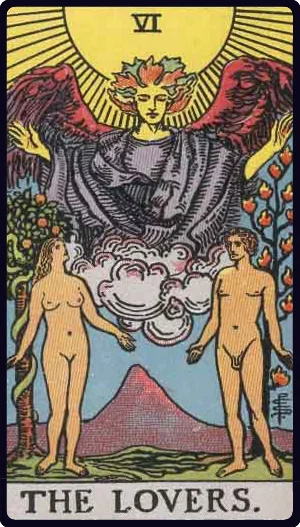
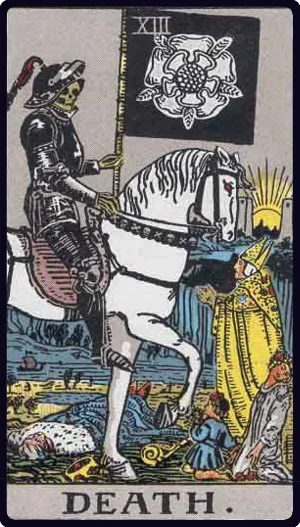
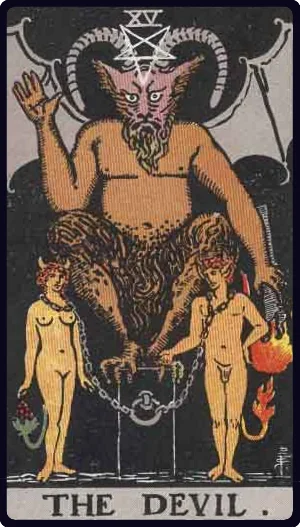
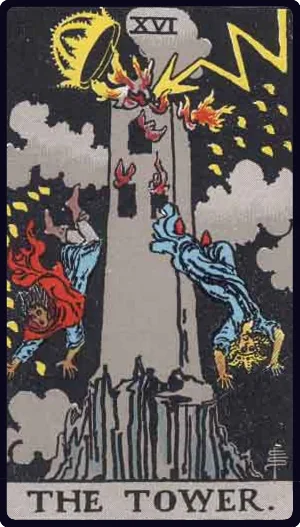
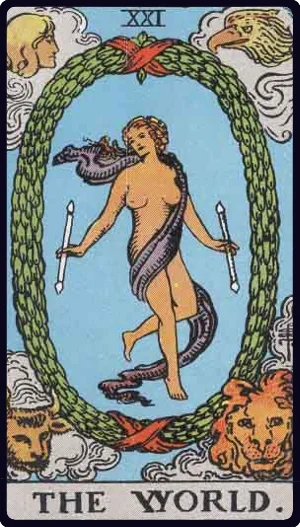
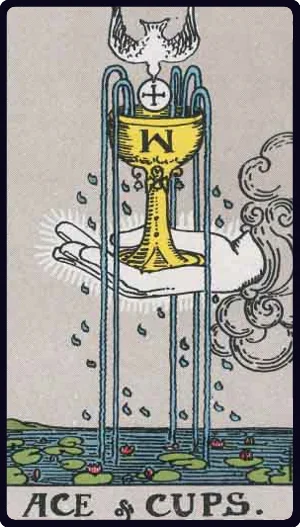
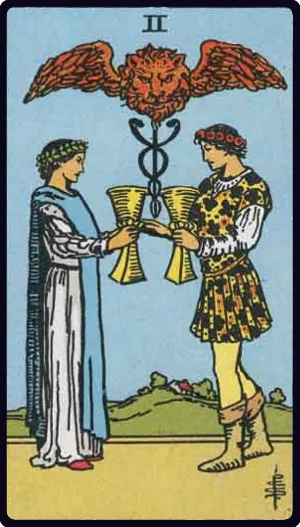
The most recognised tarot cards are from the Major Arcana: The Fool (new beginnings), The Lovers (relationships and choices), Death (transformation, not literal death), The Tower (sudden upheaval), and The World (completion). In love readings, the Two of Cups, Ace of Cups, and Ten of Cups appear most often. The most frequently searched card is The Devil, usually in the context of toxic attachments or obsessive feelings.
Do tarot card meanings change between different decks?
Core meanings stay consistent across most decks because they follow the Rider-Waite-Smith system established in 1909. The Fool always represents new beginnings, the Ten of Swords always signals endings. However, the Thoth deck (Aleister Crowley) renames some cards and emphasises Kabbalistic associations, while the Marseille deck uses simpler pip cards without illustrated scenes. Modern indie decks keep the traditional structure but reinterpret the imagery through different cultural lenses.
What are common myths about tarot card meanings?
The biggest myth is that the Death card predicts literal death — it actually means transformation and endings that make way for new beginnings. Other myths: that reversed cards are always negative (they can simply mean internalised energy), that you must be gifted your first deck (you can buy your own), and that tarot predicts a fixed future. Tarot reflects current energies and likely outcomes based on present circumstances — free will always plays a role.
Most popular card combinations
How two cards interact often matters more than either card alone. These combinations are the most-searched pairings — click any to read the full meaning.
Each tarot card carries a core meaning built from its suit, number, and imagery, and that meaning shifts with context: whether the card is upright or reversed, and what question was asked. Major Arcana cards point to major life themes and turning points; Minor Arcana cards describe everyday situations like relationships, work, conflict, and money.
How Many Tarot Cards Are There?
A standard tarot deck has 78 cards split into two groups: the Major Arcana (22 cards) and the Minor Arcana (56 cards). The Major Arcana covers life's big lessons. The Minor Arcana covers daily life: emotions, work, conflict, and practical decisions.
Most decks follow the Rider-Waite-Smith system, published in 1909 by Arthur Edward Waite and illustrated by Pamela Colman Smith. It was the first deck to put illustrated scenes on every card, including the Minor Arcana pip cards, which made tarot accessible to people who had never read cards before. This guide, like most modern references, is based on the Rider-Waite-Smith tradition.
The Fool's Journey
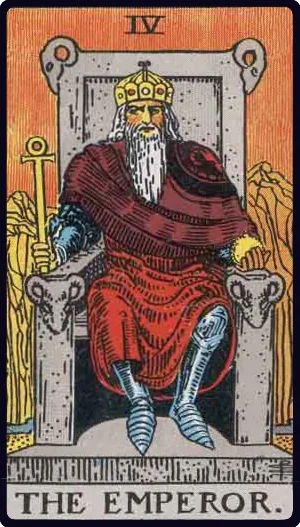
The 22 Major Arcana cards tell a story called the Fool's Journey. It starts with The Fool (card 0), who represents pure potential stepping into the unknown, and ends with The World (card 21), which represents completion and wholeness. Along the way the Fool meets every major archetype: the nurturing Empress, the structured Emperor, the Death card (transformation, not literal death), and the sudden upheaval of The Tower.
When a Major Arcana card shows up in a reading, pay attention. It points to something bigger than a bad Tuesday: a karmic lesson, a turning point, or a force you can't ignore. Several Major Arcana cards in one reading usually means you are in a period of real change.
“You don't need to memorise 78 cards to read tarot. Learn the Fool's Journey, the four elements, and the number patterns. Everything else is just those three ideas wearing different outfits.”
— Taro's Tarot, tarostarot.com
What Do the Four Tarot Suits Mean?
The 56 Minor Arcana cards are divided into four suits. Each suit is tied to an element and a part of life. Learning the suits is the single best shortcut in tarot. If you know that Cups = emotions and Swords = conflict, then a Five of Swords already tells you something before you look anything up.
Cups: Water, Emotions, Relationships
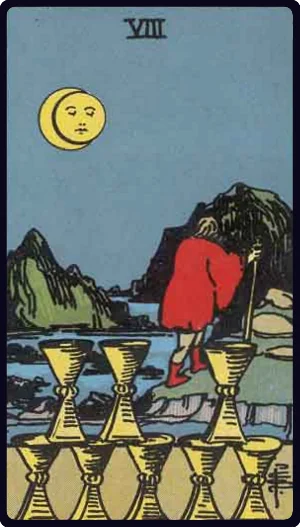
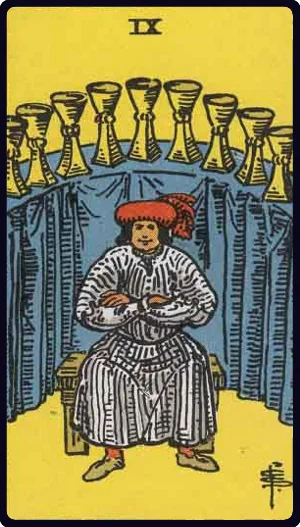
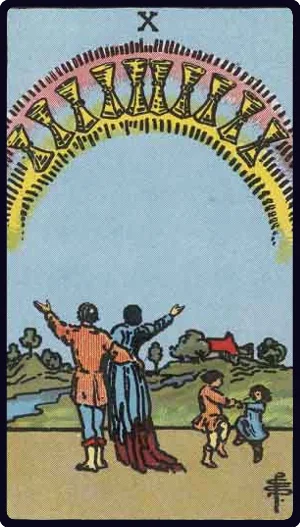
Cups cover how you feel, how you connect with people, and whether your emotional needs are being met. A reading full of Cups means emotions are driving the situation. The Ace of Cups signals new love or an emotional awakening. The Ten of Cups is lasting happiness and family harmony. Reversed Cups usually point to blocked emotions, repressed feelings, or a relationship that needs honest conversation.
Wands: Fire, Passion, Ambition
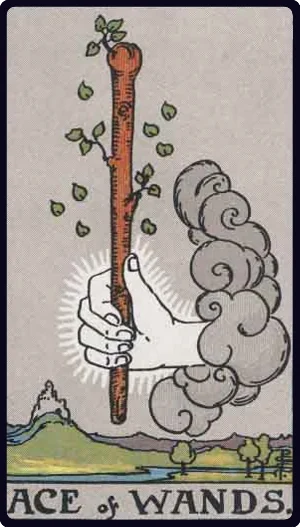
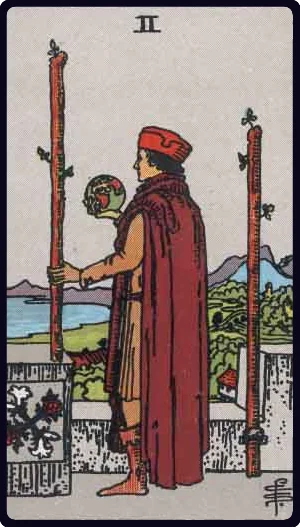
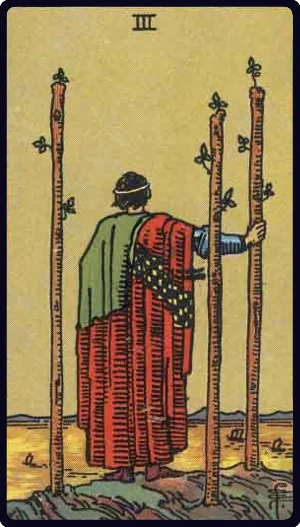
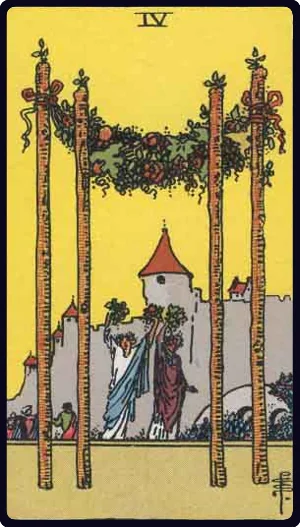
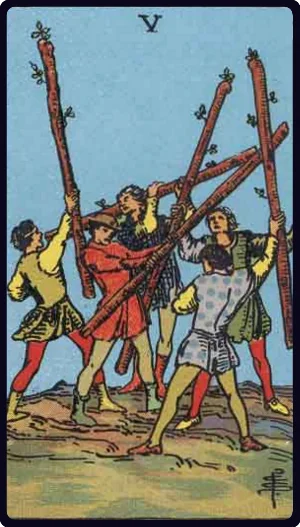
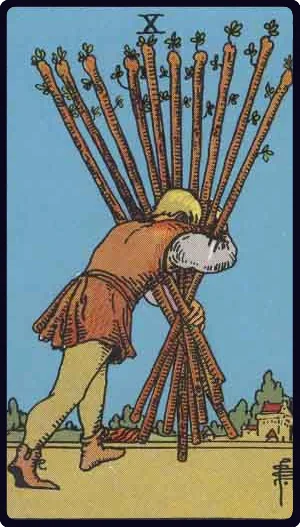
Wands are about energy, drive, and the will to act. They show up when something is starting to move: a new project, a creative idea, a surge of confidence. The Ace of Wands is a spark of inspiration. The Ten of Wands is burnout from taking on too much. Lots of Wands in a spread means things are moving fast and you need to stay focused.
Swords: Air, Intellect, Conflict
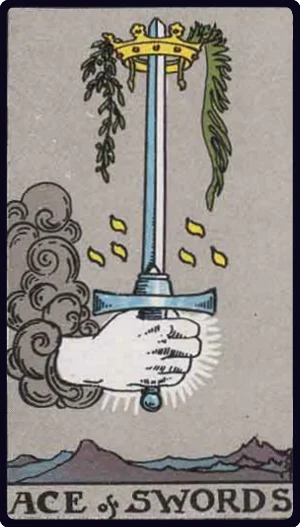
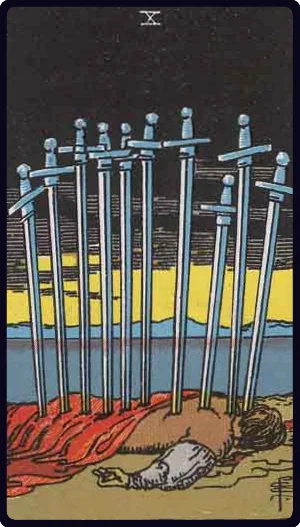
Swords deal with the mind: thoughts, words, decisions, and hard truths. They tend to show up during arguments, tough choices, or periods of mental strain. The Ace of Swords is a breakthrough, a moment of clarity. The Ten of Swords is a painful ending. When Swords dominate a reading, the situation needs clear thinking, not emotional reaction.
Pentacles: Earth, Material World, Stability
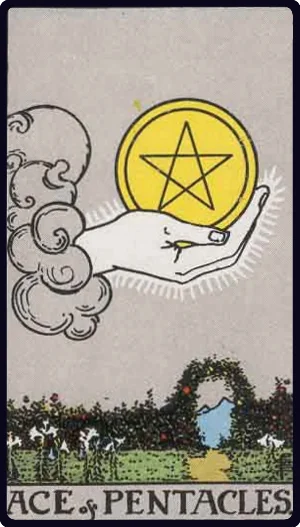
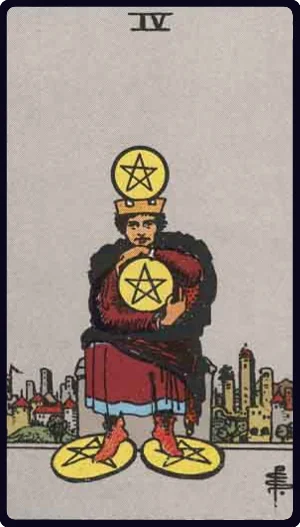
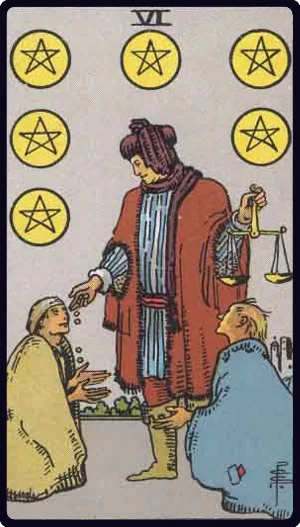
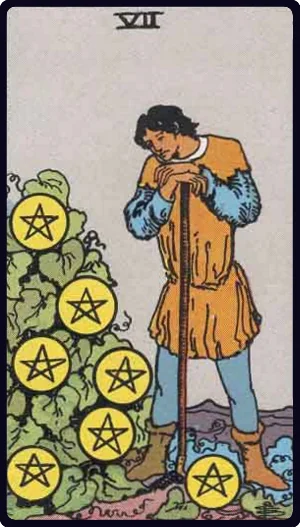
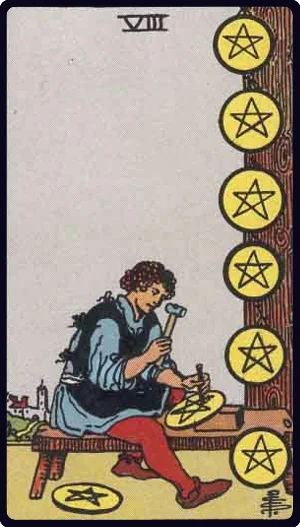
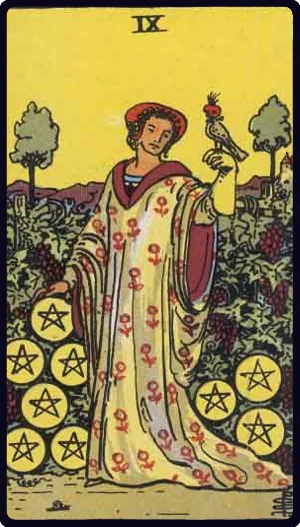
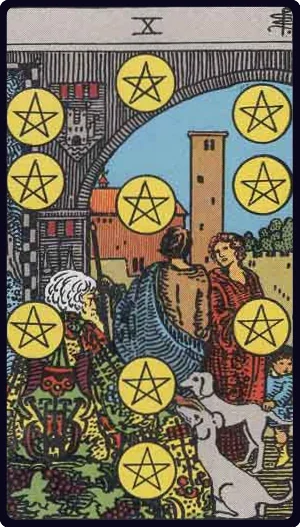
Pentacles cover the physical world: money, career, health, home, and the real-world results of your work. The Ace of Pentacles is a new financial or career opportunity. The Ten of Pentacles is generational wealth, legacy, and long-term security. Reversed Pentacles often point to money worries, overwork, or neglecting your health.
What Do the Numbers Mean in Tarot?
Every number from Ace to Ten carries a consistent theme no matter which suit it belongs to. Learn these ten patterns and you can read any pip card on sight.
Aces: New beginnings, raw potential, a seed planted
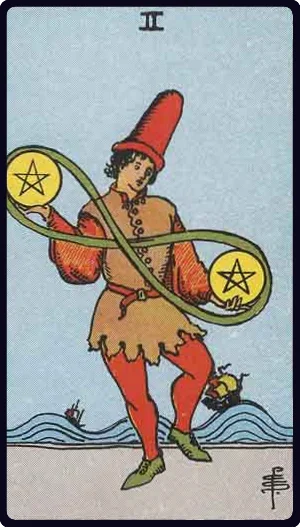
Twos: Balance, partnership, duality, a choice to make
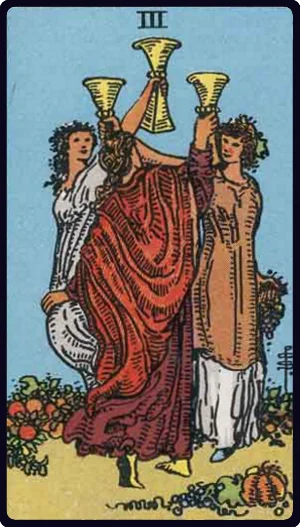
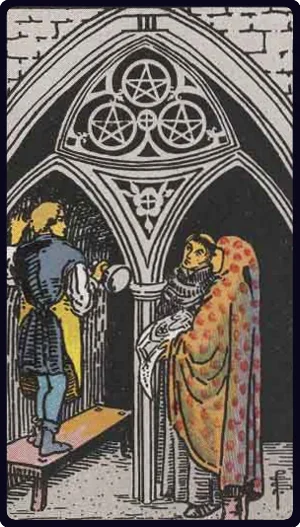
Threes: Growth, creativity, early results, collaboration
Fours: Stability, structure, rest, a solid foundation
Eights: Movement, mastery, power, momentum building
Nines: Near-completion, solitude, culmination
Tens: Completion, transition, the end of one cycle and the start of another
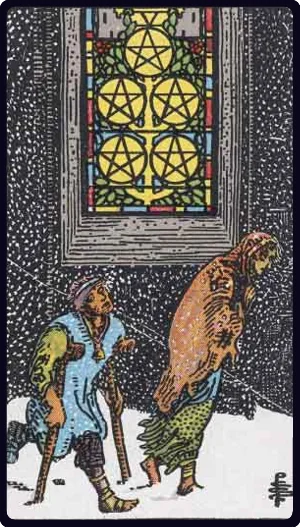
Combine the number with the suit and you have the card. Three of Cups? Growth (Three) in the emotional world (Cups) = celebration, friendship, creative joy. Five of Pentacles? Disruption (Five) in the material world (Pentacles) = financial hardship, feeling left out in the cold.
What Do the Court Cards Mean?
Each suit has four court cards: Page, Knight, Queen, and King. They can represent actual people in your life, parts of your own personality, or stages of development within that suit's theme.
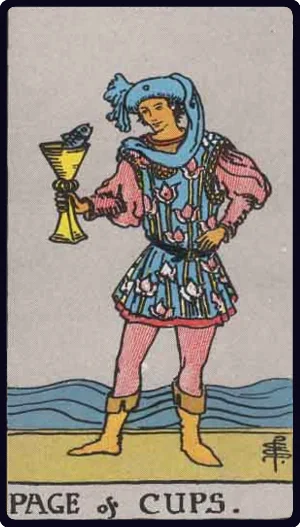
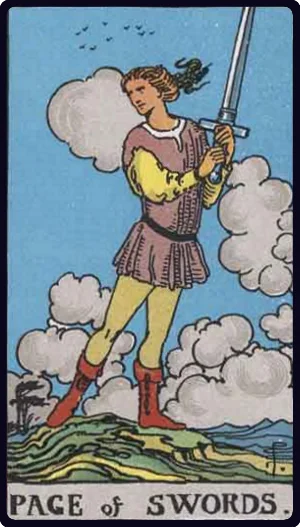
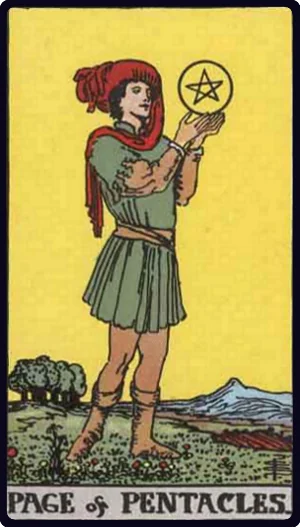
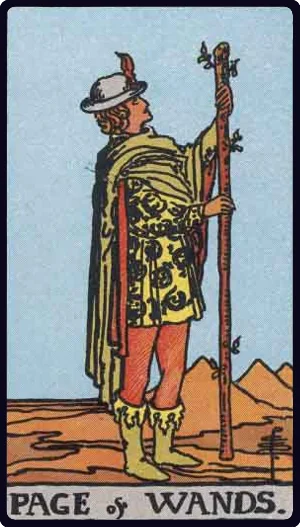
Pages: Messages, curiosity, a student. Often represent young people, new ideas, or an invitation to learn.
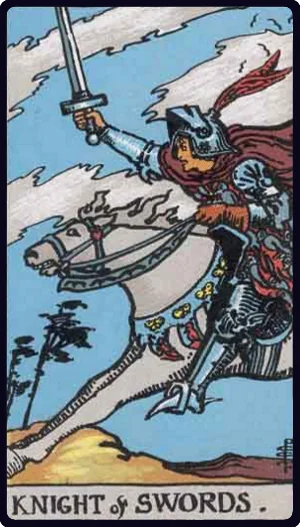
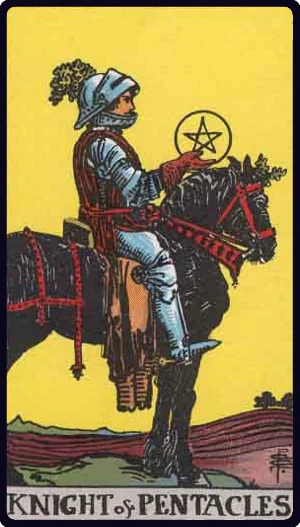
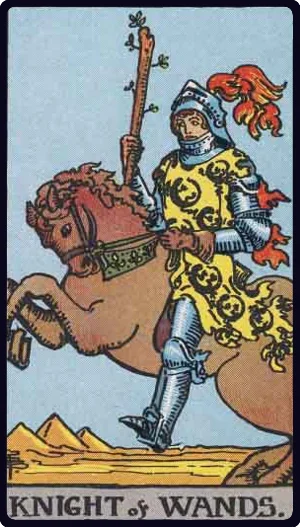
Knights: Action, pursuit, momentum. Knights charge forward. They show up when someone (or something) is actively in motion.
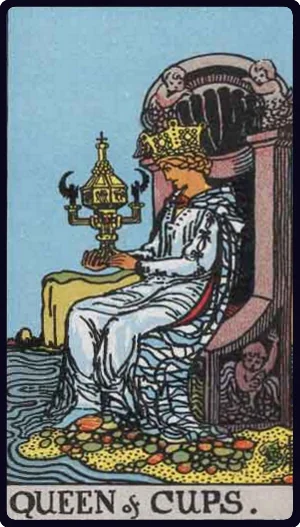
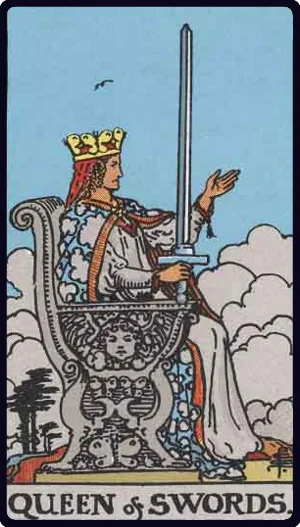
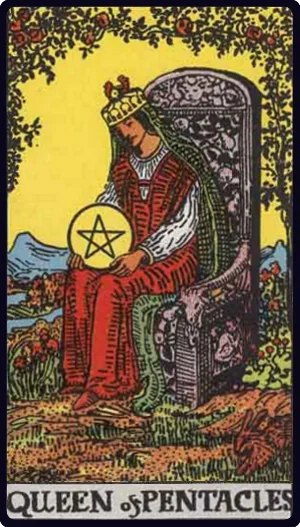
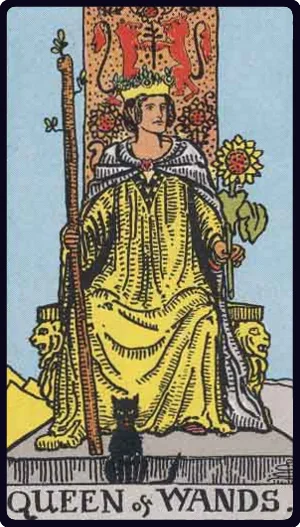
Queens: Inward mastery, emotional intelligence, depth. Queens have learned their suit's lesson and apply it with care.
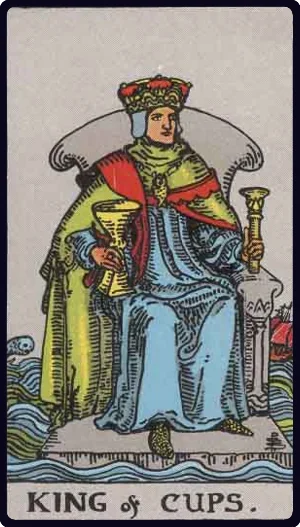
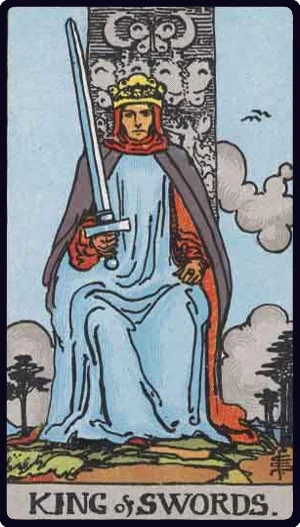
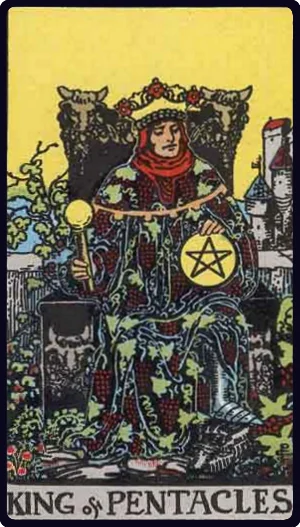
Kings: Authority, leadership, external mastery. Kings are the most outward expression of their suit: decision-making, command, responsibility.
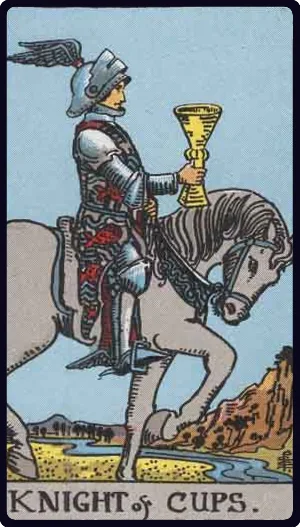
Court cards can be literal (a Knight of Cups might be the romantic, expressive person you are dating) or symbolic (the qualities you need right now). In a love reading, court cards frequently represent the other person or the role you are playing in the relationship.
How to Use This Guide
Beginners: Start with the 22 Major Arcana. Learn two or three per day, focusing on the image and keywords. Pull a daily card with our tarot card generator and look it up here. Within a month you will know the whole deck. For a full learning path, see how to read tarot cards.
During a reading: Use the search bar above to find any card that comes up. Each card page has upright and reversed meanings, plus interpretations for love, career, finances, and health. For how two cards interact, see tarot card combinations.