You keep choosing the same person in a different body.
This book explains why. Attachment theory, trauma bonding, limerence, and the slow, real work of changing your wiring. Psychology, not platitudes. 17 chapters that respect your intelligence.
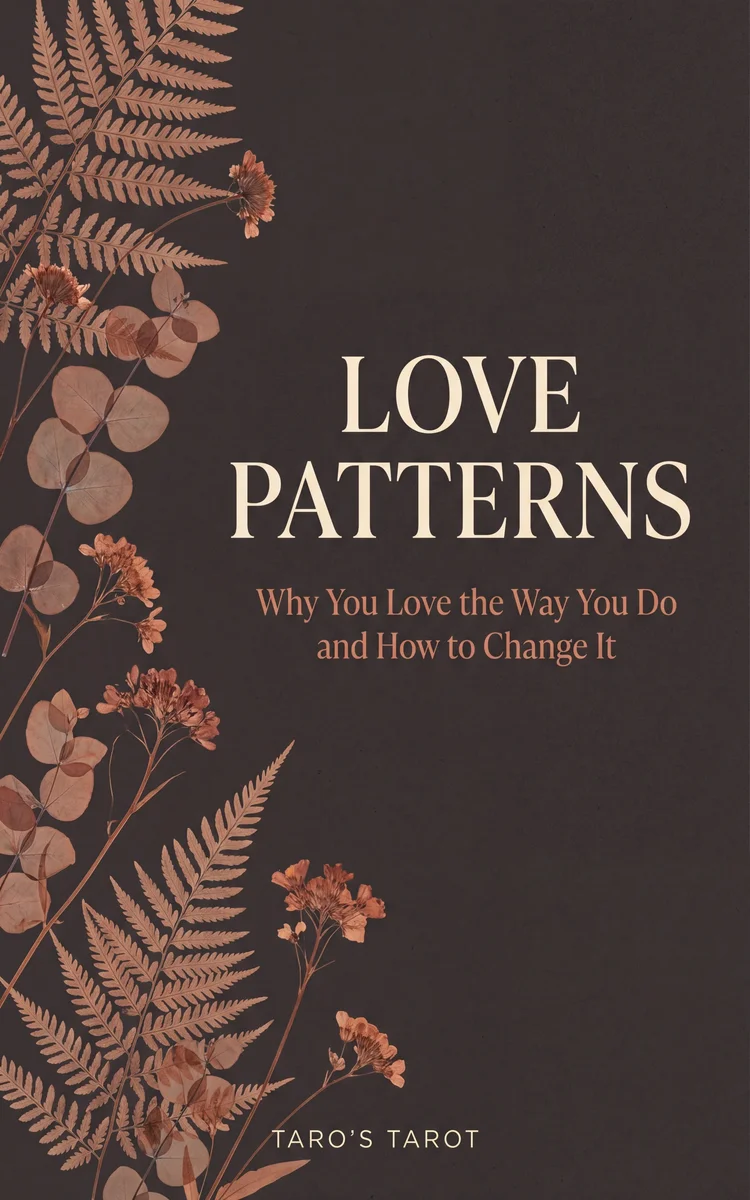
$14.99 once · 117 pages · yours to keep, re-read and print.
Instant PDF download. Pay by card via Stripe — no account needed.
Not sure yet? Read a page first ↓From Chapter 1
You were wired for love before you could speak. Before you had words for hunger, before you could hold your own head up, your nervous system was already learning the rules. Not the rules anyone taught you on purpose. The rules your body figured out by watching what happened when you cried.
This is where it starts. Not with your ex, not with your dating history, not with the moment you realised you keep choosing the same person in a different body. It starts in the first eighteen months of your life, in a period you can't consciously remember, when your brain was building the template it would use for every close relationship you'd ever have.
From Chapter 9 — Trauma Bonding Is Not Love
You're in the car park outside their flat at eleven on a Wednesday night. Engine running. Hands at ten and two. You drove here on autopilot, the way you used to drive to work. You didn't decide to come. You were making tea, and then you were finding your keys, and then you were indicating left on the high street, and now you're here. The windscreen is fogging at the edges. Their light is on. Second floor, third window. You know the window.
Your phone is in the centre console. Your therapist's number is in your recent calls. Your best friend's last message, from six hours ago, says please don't go over there tonight. You read it. You agreed with it. You typed I won't and meant it when you sent it. That was a different person. That person was regulated, rational, standing in a well-lit kitchen with the kettle boiling.
Who is this for?
What's inside
Part 1: How You Got Wired
- The Wiring You Didn't Choose
- What Your Style Looks Like From Inside
- The Core Belief Underneath
Part 2: How the Wiring Plays Out
- Why You Keep Choosing the Same Person
- The Anxious-Avoidant Trap
- The Fawn Response and the Disappearing Self
- When Attachment Leaves the Bedroom
Part 3: When the Pattern Gets Dangerous
- Love Bombing, Gaslighting, and the Narcissistic Cycle
- Trauma Bonding Is Not Love
- Limerence: When Obsession Wears Love's Face
Part 4: The Healing Work
- Boundaries Feel Like Dying (Do It Anyway)
- The Inner Child You've Been Avoiding
- Earned Security: The Boring, Beautiful Work
- Your Nervous System Is Not Your Enemy
Part 5: Building Something Different
- Dating After Toxicity
- Secure Love and the Grief of Getting What You Wanted
- Breaking the Chain
Where you'll be when you close it
- Why the secure, available partner felt "boring" and the unavailable one felt like fate — so you stop mistaking an activated nervous system for chemistry.
- A name for the pull you can't explain: how you can know it's bad, write the list of reasons, and still drive back at 11pm. Not weakness. Withdrawal — which means you can stop hating yourself for it.
- How to see the anxious-avoidant loop from above, so you can stop chasing (or stop running) and break it from your side alone, without waiting for them to change first.
- How to tell the fawn response from kindness — and start recovering the preferences, opinions and self you filtered away to keep someone else calm.
- How to spot love bombing, gaslighting and the trauma-bonding cycle while you're still inside them, instead of two years later when the damage is done.
- What actually rewires the pattern: the earned-security and nervous-system work that changes who you're drawn to next time, not just how you behave with who you've got.
Also included: a full chapter on limerence, the inner-child work most people skip, a dating-after-toxicity playbook, named research throughout (Bowlby, Carnes, van der Kolk, Fisher, Sue Johnson), and crisis helpline numbers for the point where the pattern stops being attachment and becomes abuse.
Understand the pattern. Change the wiring.
117 pages. Named researchers. No fluff. The book your nervous system has been avoiding.
Instant PDF download. Secure payment via Stripe.
Read the Chapter 1 sample above before you pay. If it doesn't sound honest, don't buy it.
At checkout you can add a personalised reading for $9.99 instead of the usual $14.99 — skip it if you just want the book.
Common questions
Who wrote this, and why should I trust it?
It's published by Taro's Tarot — the same team behind the free attachment-style quiz, the trauma-bonding quiz and the breakup-recovery quiz you may have already taken. This book is the long-form version of that work, and it stays psychology-first the whole way through: attachment theory, neuroscience and named researchers (Bowlby, Carnes, van der Kolk, Fisher, Sue Johnson), with no spiritual bypassing, no twin-flame framing and no "manifest them back" advice. Where the pattern stops being attachment and turns dangerous, the book says so plainly and points you to crisis helplines and a qualified trauma therapist — your safety comes before any framework in here, including ours. Read the sample first. If it doesn't sound honest, don't buy it.
Is this a physical book or digital?
Digital PDF. You can read it on any device or print it at home. Instant download after purchase.
I already know my attachment style. Will this still help?
Knowing your style is Chapter 1. This book covers what's underneath it, why it keeps running, and the specific work that changes it. If you've taken the quiz and want to go deeper, this is the next step.
Is this the same as the Twin Flames book?
No. The Twin Flames book holds both spiritual and psychological frameworks. Love Patterns is psychology only, broader in scope, and not limited to the twin flame context. Some concepts overlap (attachment theory, trauma bonding) but this book goes deeper.
Does this replace therapy?
No. Chapter 9 is explicit about when to seek professional help, and the book includes crisis helpline numbers. The book recommends therapy throughout, especially for trauma bonding and earned security work.
I'm in a relationship with an avoidant/anxious partner. Is this for me?
Chapter 5 covers the anxious-avoidant dynamic from both sides, with no villains. If you're in this trap, it will show you the loop, explain why both people are stuck, and describe what breaking it actually looks like.
If Chapter 7 hit hardest
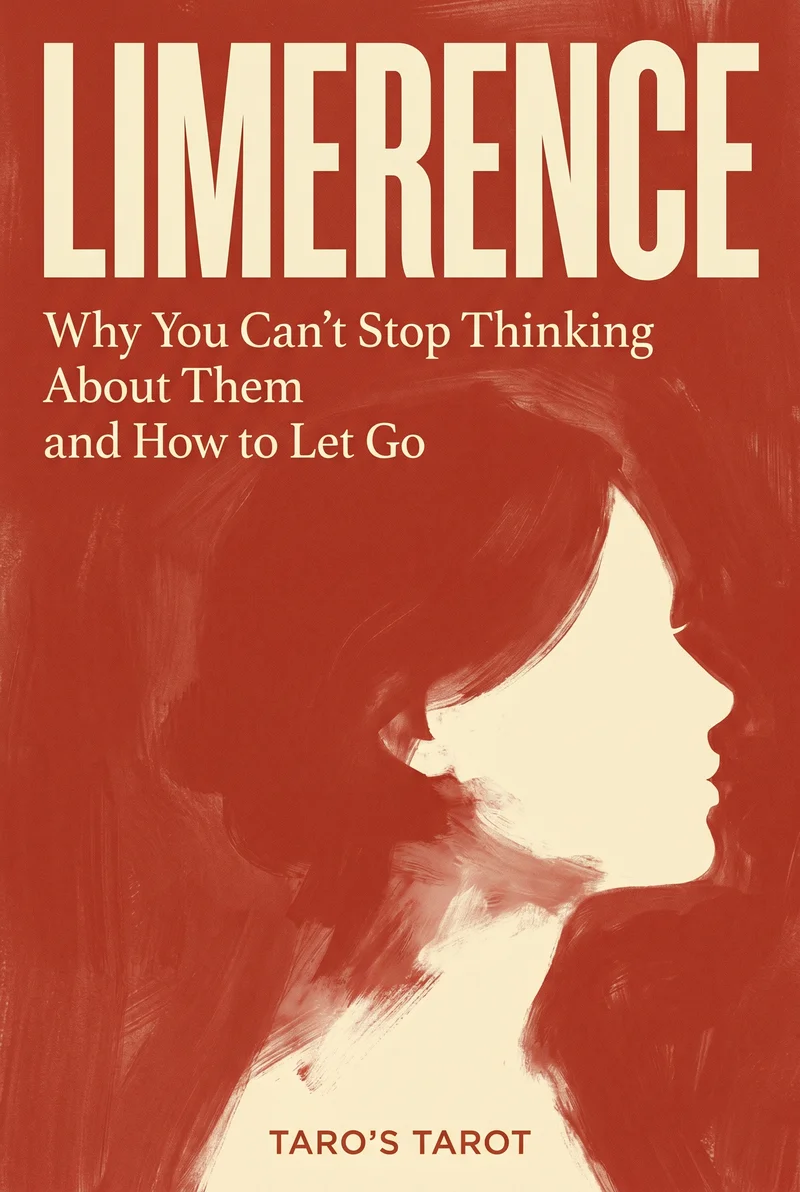
Limerence gets one chapter in this book. If that chapter is the one you keep re-reading — the obsessive cognition, the situationship, the ex you can't release — the standalone book is 17 chapters of it.
Book
Limerence
Why you can't stop thinking about them. Tennov's research, situationships, the recovery sequence. The book the quiz can't do in five minutes.
Get the Book — $14.99Interested in the twin flame angle specifically? Get Twin Flames: The Honest Guide